


SukhoThai Blogs
Unlock insights with our recent articles

 Jul 2026
Monsoon Wellness: How to Reset Your Mind and Body This Season
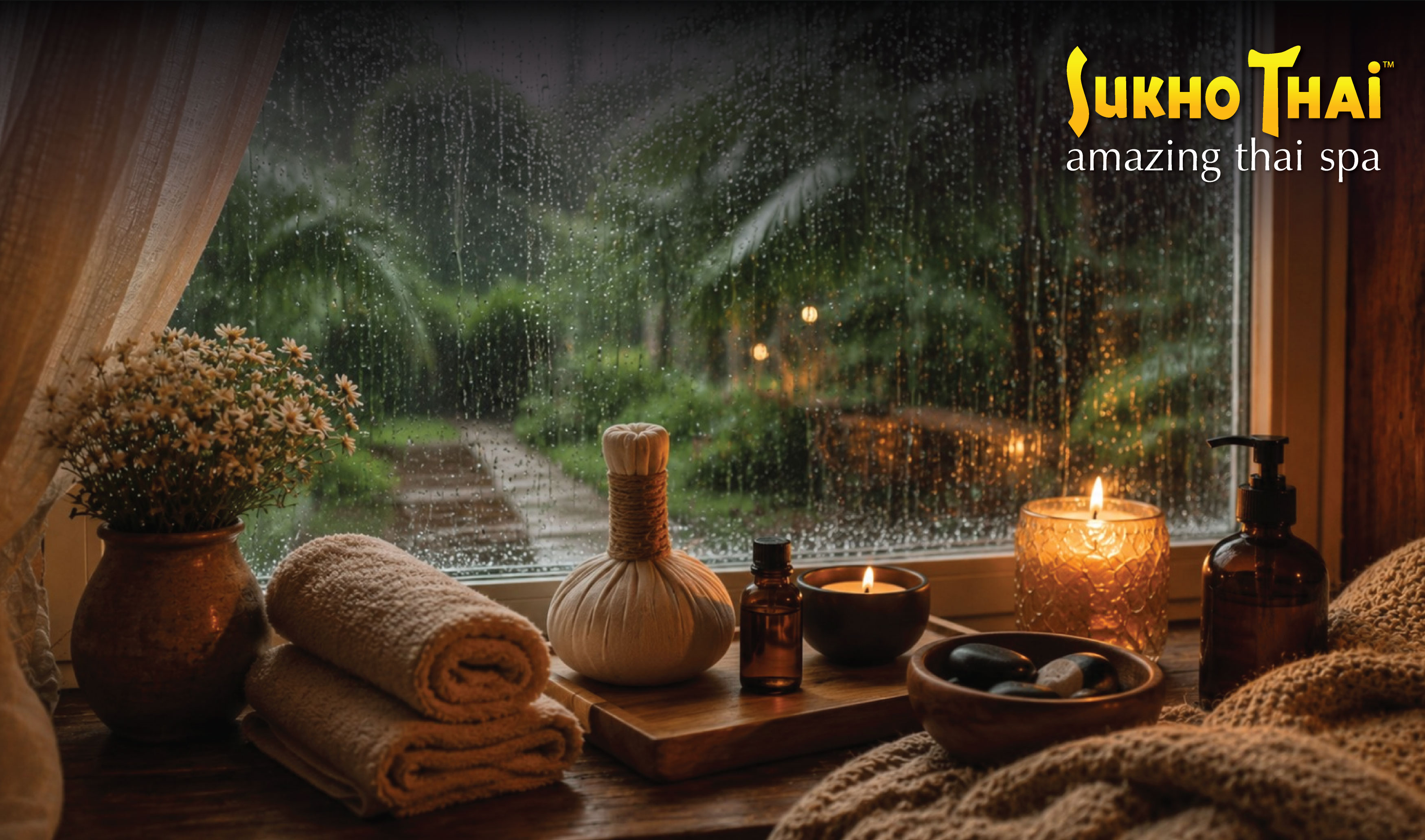
There's a particular kind of quiet that arrives just before the first monsoon rain. The air thickens. The light turns a soft grey. And somewhere in the distance, you catch that unmistakable smell of rain meeting warm earth, the one that instantly takes you back to childhood, to school days, to cutting chai and window-watching.
For most of us, monsoon feels like an emotional reset button. It's the season of comfort food, slow mornings, and the simple joy of staying indoors while the world outside gets washed clean.
But underneath that cozy feeling, something else is quietly happening to your body.
You may have noticed it without naming it: a heaviness in your limbs that wasn't there before, a stiffness in your shoulders by mid-afternoon, and the urge to nap that has nothing to do with how much sleep you got. Your joints might feel a little more reluctant to move. Your energy dips earlier in the day. Even your motivation to step out for a walk or a workout seems to evaporate along with the sunshine
This isn't laziness, and it isn't in your head. It's monsoon fatigue, a very real, very common response to the changes in humidity, air pressure, light exposure, and movement that come with the rainy season. And once you understand why it happens, you can do something about it.
This is exactly why monsoon wellness matters. It's not about fighting the season; it's about adjusting your self-care rhythm to match it so your body and mind stay supported rather than strained. And that's exactly what this guide will walk you through: why monsoon affects you the way it does and how simple rituals—including the restorative power of Thai massage—can help you feel like yourself again.
Why Monsoon Affects Your Mind and Body
Monsoon isn't just a change in weather it's a change in environment that your nervous system and muscles have to adapt to, often without you realizing it.
Humidity levels rise sharply during the rainy season. This increased moisture in the air affects how your body regulates temperature and fluid balance, which can leave you feeling sluggish, bloated, or just "off." At the same time, barometric pressure drops before and during rain, a shift that's known to affect joint tissue and nerve sensitivity which is why so many people report achy knees, stiff backs, or throbbing old injuries right before a storm rolls in.
Reduced sunlight plays a role too. Less natural light can lower serotonin production, the neurotransmitter linked to mood and motivation, which partly explains the low-energy, low-mood feeling that creeps in during long grey weeks.
And then there's lifestyle. The monsoon naturally pushes us indoors. Walks get skipped. Gym sessions get postponed "until the rain stops." Outdoor plans shrink into Netflix-and-blanket plans. Less movement means more stiffness, slower circulation, and a body that feels increasingly heavy rather than light.
Put together humidity, pressure shifts, reduced light, and less movement; it's no wonder your body feels different this time of year. The good news: once you know the cause, the solution becomes much clearer.
Common Health Challenges During Rainy Season
Most people experience a combination of the following during monsoon, even if they don't always connect the dots:
-
Muscle stiffness — tightness in the neck, shoulders, lower back, and calves
-
Joint discomfort — aching knees, ankles, or old injury sites that "act up"
-
Stress — a subtle, simmering tension that builds from disrupted routines
-
Seasonal fatigue — tiredness that doesn't fully lift even after rest
-
Poor sleep — restless nights, vivid dreams, or trouble falling asleep
-
Low energy — a general sense of sluggishness through the day
-
Reduced physical activity — fewer walks, skipped workouts, more sitting
None of these are dramatic on their own. But together, they chip away at how good you feel day to day and that's exactly why a seasonal wellness reset is worth taking seriously.
Why Self-Care Matters More During Monsoon
It's tempting to treat self-care as a "when I have time" activity. But monsoon is precisely the season when your body is asking for more support, not less.
Think of your body like a plant during the rains; it's absorbing more moisture, dealing with more environmental shifts, and working harder to stay balanced. Just as a plant needs the right amount of light, drainage, and care to thrive in wet weather, your body needs intentional rest, movement, warmth, and touch to stay in balance.
Monsoon self-care isn't indulgence; it's maintenance. A few mindful rituals each week can be the difference between dragging through the season and actually enjoying it.
This is where monsoon spa rituals, especially therapeutic massage, become so valuable. They directly address the physical symptoms of stiffness, poor circulation, and tension while also calming the nervous system that's been quietly working overtime.
Benefits of Thai Massage During Monsoon
Traditional Thai massage is one of the most complete forms of bodywork for this season, and there's a reason it has been practiced for centuries.
Unlike a purely relaxation-focused massage, Thai massage combines acupressure, assisted stretching, and rhythmic compression to work through the body systematically, joint by joint, muscle group by muscle group. This is particularly helpful during monsoon because it directly targets the stiffness and joint discomfort that humidity and pressure changes tend to trigger.
The stretching component is especially valuable. Since movement naturally decreases during the rainy season, your muscles and connective tissue can lose some of their usual flexibility. A skilled therapist's guided stretches help restore that range of motion, often leaving clients feeling looser and lighter immediately after a session.
Thai massage also works on energy lines (known as "Sen lines" in traditional Thai medicine), believed to support the body's natural flow and balance, which aligns well with how a monsoon can leave you feeling sluggish or "stuck."
Why Thai massage is best during the rainy season: It combines deep stretching, joint mobilization, and pressure-point work addressing stiffness, poor circulation, and low energy all in a single, structured session.
Benefits of Aromatherapy Massage
If Thai massage works on the body, aromatherapy massage works just as powerfully on the mind.
Essential oils like lavender, eucalyptus, and lemongrass, common in monsoon-friendly treatments, are chosen for specific reasons. Eucalyptus and tea tree oils help clear congestion and support easier breathing, which is useful during a season when colds and stuffiness are common. Lavender is widely associated with reduced anxiety and improved sleep quality, while warming oils like ginger or cinnamon can help with the chill that often comes with constant rain.
Beyond the physical benefits, aromatherapy taps into something deeply psychological: scent is directly linked to the brain's limbic system, which governs emotion and memory. That's part of why a good aromatherapy massage doesn't just relax your muscles — it shifts your entire mood.
For the monsoon specifically, this combination of warming oils, calming scents, and skilled touch creates a sensory experience that counters the grey, sluggish feeling the season can bring.
Deep Tissue Massage for Seasonal Muscle Pain
For those dealing with more stubborn stiffness, the kind that doesn't ease up with a regular massage, deep tissue massage is often the better fit.
This technique uses slower strokes and firmer, more targeted pressure to reach the deeper layers of muscle and connective tissue (fascia). It's particularly effective for monsoon-related muscle pain because it works directly on the knots and tension that build up from reduced movement, poor posture during long indoor days, and the body's natural tightening response to cold, damp weather.
Deep tissue work also encourages better circulation in areas that have become tight or restricted, helping flush out the buildup that contributes to that "heavy" feeling so many people report this time of year.
It's worth noting that deep tissue massage can feel more intense than a relaxation massage, so it's best performed by an experienced therapist who can read your body's response and adjust pressure accordingly, which is exactly the kind of personalized care a quality spa should offer.
Massage and Better Blood Circulation
One of the most underrated benefits of regular massage is its effect on circulation, and this matters more during monsoon than almost any other season.
When physical activity drops and humidity rises, blood flow naturally slows, especially in the extremities. This is part of why hands and feet can feel colder or stiffer and why some people notice mild swelling in their ankles during the rains.
Massage therapy uses manual pressure and rhythmic strokes to stimulate blood vessels and improve circulation throughout the body. Better circulation means more oxygen and nutrients reaching your muscles and tissues, which supports faster recovery from stiffness, reduces the buildup of tension, and even helps your skin look more refreshed, something many people notice after just one session.
Improved circulation also plays a supporting role in your body's natural detox processes, helping move metabolic waste through your lymphatic system more efficiently.
How Massage Supports Mental Wellness
The conversation around massage often focuses on the body, but its impact on mental wellness is just as significant and arguably more important during a season known to dampen mood.
Therapeutic touch has a measurable calming effect on the nervous system. Massage helps shift the body out of a "fight or flight" stress state and into a more relaxed, parasympathetic state, the same state your body needs to be in for good digestion, restorative sleep, and mental clarity.
This matters especially now: monsoons' reduced sunlight and disrupted routines can quietly elevate stress and lower mood, even in people who don't usually struggle with either. A regular massage practice gives your nervous system a structured chance to downshift, which can translate into better focus, more patience, and a steadier emotional baseline throughout the week.
For working professionals juggling deadlines indoors while the rain pours outside, this kind of intentional pause isn't a luxury; it's a genuine stress management tool.
Monsoon and Better Sleep
If your sleep has felt lighter, more interrupted, or less refreshing lately, you're not imagining it. Several monsoon-specific factors can disrupt healthy sleep: the sound of heavy rain (which helps some people but disturbs others), shifts in temperature and humidity in the bedroom, and the general dip in physical activity that reduces natural tiredness by bedtime.
Massage can help on multiple fronts here. Physically, it reduces the muscle tension that often keeps people shifting positions through the night. On a deeper level, the relaxation response triggered by massage encourages the release of serotonin, which the body partly converts into melatonin, the hormone responsible for regulating your sleep cycle.
Clients frequently report their best, deepest sleep happens the night after a massage session, not just because they're relaxed but because their body has had a genuine opportunity to release built-up tension.
Wellness Rituals You Can Practice at Home
A spa visit is powerful, but the days between visits matter too. Here are a few simple wellness rituals to weave into your monsoon routine:
-
Start your morning with five minutes of slow stretching before getting out of bed
-
Keep a warm shawl or layer nearby for sudden temperature drops
-
Diffuse calming essential oils like lavender or eucalyptus at home in the evening
-
Light a warm-scented candle during work-from-home hours to lift your mood
-
Set a consistent sleep and wake time, even on rainy, low-motivation days
-
Take five minutes for deep breathing before bed to calm your nervous system
Nutrition Tips for Rainy Season
What you eat plays a quiet but powerful role in how your body handles monsoons. A few practical adjustments:
-
Favor warm, freshly cooked meals over cold or raw foods, which are harder to digest in humid weather
-
Add ginger, turmeric, and black pepper to meals all known for their warming, immune-supportive properties
-
Choose seasonal fruits like papaya, pomegranate, and pears, which are gentler on digestion
-
Limit deep-fried street food, which can be more prone to contamination during monsoon
-
Include light soups and broths to stay nourished without feeling heavy
-
Add probiotic foods like curd or fermented foods to support gut health, which often dips during humid months
Hydration During Monsoon
Many people drink less water during monsoon simply because they feel less thirsty in cooler, humid weather, but your body still needs consistent hydration to support circulation, digestion, and energy levels.
Aim for warm water, herbal teas, or infused water with ginger, mint, or lemon throughout the day. These options feel more appealing in damp weather than ice-cold water and offer the added benefit of supporting digestion and immunity. Proper hydration also directly supports the body detox process, helping flush out toxins that can build up when physical activity and sweating decrease.
Simple Daily Stretching Routine
You don't need a full workout to counter monsoon stiffness, just five to ten consistent minutes a day:
-
Neck rolls — 5 slow rotations each direction to release tension from desk work
-
Shoulder shrugs and rolls — 10 repetitions to loosen tight shoulders
-
Seated spinal twist — hold 20 seconds each side to ease lower back stiffness
-
Standing forward fold — hold 30 seconds to stretch hamstrings and lower back
-
Ankle circles — 10 each direction to support circulation in the lower legs
-
Cat-cow stretch — 8–10 slow repetitions to mobilize the entire spine
Doing this each morning or evening can meaningfully reduce the stiffness that builds up from a less active monsoon routine.
How Often Should You Visit a Spa During Monsoon?
For most people managing everyday stress and mild seasonal stiffness, one massage every two to three weeks during monsoon offers a good balance of relief and maintenance. If you're dealing with more pronounced muscle tension, joint discomfort, or high stress levels, a weekly or bi-weekly session for a few weeks can help reset your body more effectively, after which you can shift to a maintenance schedule.
The right frequency ultimately depends on your body, lifestyle, and how you're feeling, which is exactly the kind of thing a good therapist can help you assess during a consultation.
Why SukhoThai Is the Perfect Monsoon Wellness Destination
If you're looking for a place to actually put all of this into practice, SukhoThai Spa & Wellness is built for exactly this season.
Authentic Thai therapies. Every treatment draws from traditional Thai massage techniques the same stretching, compression, and pressure-point methods refined over centuries adapted thoughtfully for modern bodies and modern stress.
Experienced therapists. Our therapists are trained to read what your body needs in the moment, adjusting pressure and technique whether you need deep tissue relief or a gentler, more restorative touch.
Personalized treatments. No two monsoon bodies are the same. Some guests need joint-focused work; others need pure stress relief. Treatments are tailored, not templated.
Hygienic environment. Especially important during a season known for increased infection risk, every space and tool is maintained to the highest hygiene standards.
Luxury ambience. From warm lighting to calming scents, the environment itself is designed to help your nervous system downshift the moment you walk in.
Holistic healing philosophy. We don't see massage as an isolated indulgence; it's one part of a complete approach to seasonal well-being, alongside the rituals, nutrition, and rest covered in this guide.
This is your reminder that taking care of yourself this monsoon doesn't have to be complicated. Sometimes, it just starts with one good session.
Monsoon Problem vs. How Massage Helps
|
Monsoon Problem |
How Massage Helps |
|
Muscle stiffness from reduced movement |
Improves flexibility through stretching and targeted pressure |
|
Joint discomfort from pressure changes |
Eases joint tension through Thai massage mobilization techniques |
|
Low energy and sluggishness |
Boosts circulation, delivering more oxygen to tired muscles |
|
Disrupted sleep |
Triggers relaxation response that supports natural melatonin release |
|
Seasonal stress and low mood |
Calms the nervous system, shifting the body out of stress mode |
|
Poor circulation in hands and feet |
Stimulates blood flow through rhythmic massage strokes |
|
Heaviness and sluggish detox |
Supports lymphatic flow, aiding the body's natural detox process |
Massage Type Comparison
|
Massage Type |
Best For |
Duration |
Benefits |
|
Traditional Thai Massage |
Joint stiffness, low flexibility, overall reset |
60–90 minutes |
Improves mobility, relieves tension, restores energy flow |
|
Aromatherapy Massage |
Stress, low mood, poor sleep |
60 minutes |
Calms the mind, eases anxiety, supports better sleep |
|
Deep Tissue Massage |
Chronic muscle pain, knots, posture-related tension |
60–75 minutes |
Releases deep muscle tension, improves long-term mobility |
|
Swedish/Relaxation Massage |
First-time visitors, general relaxation |
45–60 minutes |
Gentle full-body relaxation, reduced stress |
|
Foot Reflexology |
Tired legs, poor lower-body circulation |
30–45 minutes |
Stimulates circulation, relieves leg fatigue |
FEATURED SNIPPET ANSWER
Why is massage beneficial during the monsoon season?
Massage helps counter the stiffness, poor circulation, and low energy that a monsoon's humidity and reduced activity often cause. Techniques like Thai massage and deep tissue work improve flexibility, ease joint discomfort, and boost blood flow, while the relaxation response supports better sleep and reduces seasonal stress, making massage a practical, holistic tool for staying balanced during the rains.
MYTH VS. FACT
Myth: Massage should be avoided during rainy season. Fact: Professional massage can safely help reduce muscle stiffness and promote relaxation when performed in a clean, controlled environment.
Myth: Massage is only useful when you already have severe pain. Fact: Regular massage works best as preventive care, helping stop minor stiffness from becoming chronic discomfort.
Myth: All massages feel the same, so the type doesn't matter. Fact: Different massage types target different issues — Thai massage focuses on flexibility, while deep tissue targets stubborn muscle knots.
Myth: You need to be in pain to benefit from a spa visit. Fact: Massage also supports mental wellness, better sleep, and improved circulation, even without existing pain.
Myth: Cold, rainy weather means your body needs less care. Fact: Reduced movement and lower temperatures during monsoon often mean your body needs more support, not less.
Myth: Aromatherapy is just a pleasant scent with no real benefit. Fact: Specific essential oils are linked to reduced anxiety, better breathing, and improved mood through their effect on the nervous system.
EXPERT TIPS: 10 Ways to Stay Healthy This Monsoon
-
Get a massage every 2–3 weeks to manage seasonal stiffness and stress
-
Stretch for 5–10 minutes daily, even on busy or low-motivation days
-
Drink warm water and herbal teas instead of relying on cold beverages
-
Eat warm, freshly cooked meals and avoid excess raw or fried street food
-
Maintain a consistent sleep schedule, even when the grey weather makes you want to nap all day
-
Diffuse calming essential oils at home to support mood and easier breathing
-
Keep moving indoors with light stretching or yoga if outdoor walks aren't possible
-
Layer clothing to protect against sudden temperature drops
-
Support your immunity with turmeric, ginger, and vitamin C-rich foods
-
Set aside dedicated "no-screen" wind-down time before bed to support deeper sleep
SELF-CARE CHECKLIST: Your Monsoon Wellness Reset
-
Booked a massage session this month
-
Practicing 5–10 minutes of daily stretching
-
Drinking warm fluids consistently throughout the day
-
Eating warm, seasonal, freshly cooked meals
-
Maintaining a consistent sleep and wake schedule
-
Using calming scents or aromatherapy at home
-
Taking short movement breaks during long indoor workdays
-
Prioritizing at least one wind-down ritual before bed
-
Checking in on stress levels and mood weekly
-
Giving yourself permission to slow down without guilt
FREQUENTLY ASKED QUESTIONS
1. Is Thai massage good during monsoon?
Yes, Thai massage is especially well-suited to monsoon because it combines stretching, joint mobilization, and pressure-point therapy, all of which directly address the stiffness and reduced flexibility that humid, low-activity weather tends to cause. The technique also supports better circulation, which often slows down during the rainy season. Many people find that a Thai massage session leaves them feeling noticeably lighter and more mobile, making it a strong choice for anyone experiencing the heaviness or stiffness commonly associated with monsoon weather and reduced outdoor movement.
2. Can massage boost relaxation during the rainy season?
Absolutely. Massage activates the body's relaxation response, shifting the nervous system away from stress and into a calmer state. This is particularly valuable during monsoon, when reduced sunlight and disrupted routines can quietly elevate stress and lower mood. Aromatherapy massage, in particular, combines therapeutic touch with calming scents like lavender, creating a deeply relaxing experience. Regular sessions can help build a more resilient, calmer baseline mood throughout the season, rather than relying on relaxation only during the appointment itself.
3. How often should I get a massage during monsoon?
For general maintenance, one massage every two to three weeks is a good baseline during monsoon season. If you're dealing with more significant stiffness, joint discomfort, or stress, a weekly or bi-weekly session for a few weeks can help you reset more effectively before moving to a maintenance schedule. Ultimately, the right frequency depends on your activity level, stress levels, and how your body responds—something a qualified therapist can help you determine during an initial consultation or treatment.
4. Which massage is best for seasonal fatigue?
Traditional Thai massage and aromatherapy massage are both excellent choices for seasonal fatigue. Thai massage improves circulation and flexibility through stretching and compression. directly addressing physical sluggishness. Aromatherapy massage uses calming and energizing essential oils to support mood and mental clarity. For fatigue that comes with significant muscle tightness, deep tissue massage can also help by releasing the tension that often contributes to a constant feeling of heaviness and low energy throughout the day.
5. Does massage help improve sleep?
Yes, massage can meaningfully improve sleep quality. It reduces muscle tension that often causes restlessness at night and triggers a relaxation response that supports the release of serotonin, a precursor to melatonin, the hormone that regulates sleep. Many people report their deepest, most restful sleep on the night following a massage session. During monsoons specifically, when disrupted routines and humidity can already affect sleep, this benefit becomes especially valuable for maintaining consistent, restorative rest.
6. What are the benefits of massage during the rainy season specifically?
During monsoon, massage helps counter the unique seasonal challenges of humidity, reduced movement, and lower sunlight exposure. Benefits include improved circulation, reduced joint and muscle stiffness, better sleep quality, and lower stress levels. Massage also supports the body's natural detox processes, which can slow down with decreased physical activity. Together, these benefits make massage a practical, well-rounded tool for staying balanced, both physically and mentally, throughout the rainy season's distinct challenges.
7. Is it safe to get a massage if I have joint pain from the weather?
In most cases, yes, gentle to moderate massage can help ease weather-related joint discomfort by improving circulation and reducing surrounding muscle tension. However, massage is not a replacement for medical care, especially if joint pain is severe, sudden, or linked to a diagnosed condition. It's always a good idea to inform your therapist about any joint issues beforehand so they can adjust pressure and technique accordingly and to consult a doctor if pain is persistent or worsening.
8. Can massage help with monsoon-related stress and anxiety?
Yes, massage is a well-recognized way to support stress management. Therapeutic touch lowers activity in the body's stress response system and encourages a calmer, more relaxed state. During monsoon, when disrupted routines, reduced sunlight, and indoor confinement can quietly raise stress levels, regular massage sessions offer a structured way to reset. Many people also find the ritual itself, stepping away from screens and obligations for an hour, as valuable as the physical techniques used.
9. What should I eat and drink to support my body during monsoon?
Favor warm, freshly cooked meals over raw or fried foods, and include warming spices like ginger, turmeric, and black pepper to support digestion and immunity. Choose seasonal fruits such as papaya and pomegranate, and add probiotic foods like curd to support gut health. For hydration, warm water, herbal teas, and infused water are gentler choices than cold drinks during humid weather, and they support circulation, digestion, and the body's natural detox processes throughout the season.
10. Why does my body feel more tired and stiff during monsoon?
This happens due to a combination of factors: rising humidity affects fluid balance and temperature regulation, dropping barometric pressure can increase joint and nerve sensitivity, and reduced sunlight lowers serotonin production, affecting mood and energy. On top of this, monsoon naturally reduces physical activity, leading to more stiffness and slower circulation. Together, these factors create the common feeling of heaviness, fatigue, and reduced motivation that so many people experience during the rainy season
KEY TAKEAWAYS
-
Monsoon affects the body through rising humidity, pressure changes, reduced sunlight, and lower activity levels
-
Common challenges include muscle stiffness, joint discomfort, fatigue, poor sleep, and seasonal stress
-
Thai massage combines stretching and pressure-point work to directly target monsoon-related stiffness
-
Aromatherapy massage supports mental wellness through calming, mood-lifting essential oils
-
Deep tissue massage helps release stubborn tension caused by reduced movement and posture changes
-
Massage improves circulation, supporting energy, recovery, and the body's natural detox process
-
Better sleep, reduced stress, and improved mood are all connected to regular massage practice
-
Simple home rituals stretching, hydration, warm nutrition, and consistent sleep complement professional treatments
-
Massage supports overall wellness but should not replace medical care for serious or persistent health concerns
-
A monsoon wellness routine works best when self-care at home is paired with regular professional treatments
CONCLUSION
Monsoon will always bring its quiet contradictions: the comfort of rain against your window paired with the heaviness it leaves on your shoulders, the joy of staying in paired with the stiffness of staying still for too long. But you don't have to simply endure this season. You can meet it with intention.
Every small ritual matters: the warm cup of tea instead of a cold one, the five minutes of morning stretching, the choice to prioritize rest instead of guilt. And when your body asks for something deeper real release, real warmth, real care that's where a thoughtful monsoon wellness practice, anchored by good massage therapy, makes all the difference.
You deserve to feel light, even when the skies don't. You deserve a season of rest that actually restores you, not one that quietly wears you down. So this monsoon, let yourself slow down, listen to what your body is telling you, and give it the care it's been asking for.
CALL TO ACTION
This monsoon, give your body the reset it's been asking for.
At SukhoThai Spa & Wellness, every treatment is designed to meet you exactly where this season leaves you a little tired, a little stiff, and ready to feel like yourself again. Whether it's the deep, grounding work of traditional Thai massage or the calming embrace of an aromatherapy session, our therapists are here to help you slow down, breathe easier, and reconnect with your own sense of ease.
Come in from the rain. Let us take care of the rest.
Book your monsoon wellness session at SukhoThai Spa & Wellness today.
Available at SukhoThai Locations across
Mumbai | Pune | Bangalore | Goa | Kashmir | Kathmandu
Call Now: +91 9870989740
Book Online at: SukhoThai Official Website
Popular Post
Monsoon Wellness: How to Reset Your Mind and Body This Season
Jul 01, 2026Copyrights © 2010 - 2026 SukhoThai India Pvt. Ltd. - All Rights Reserved