
SukhoThai Blogs
Unlock insights with our recent articles

 Jun 2026
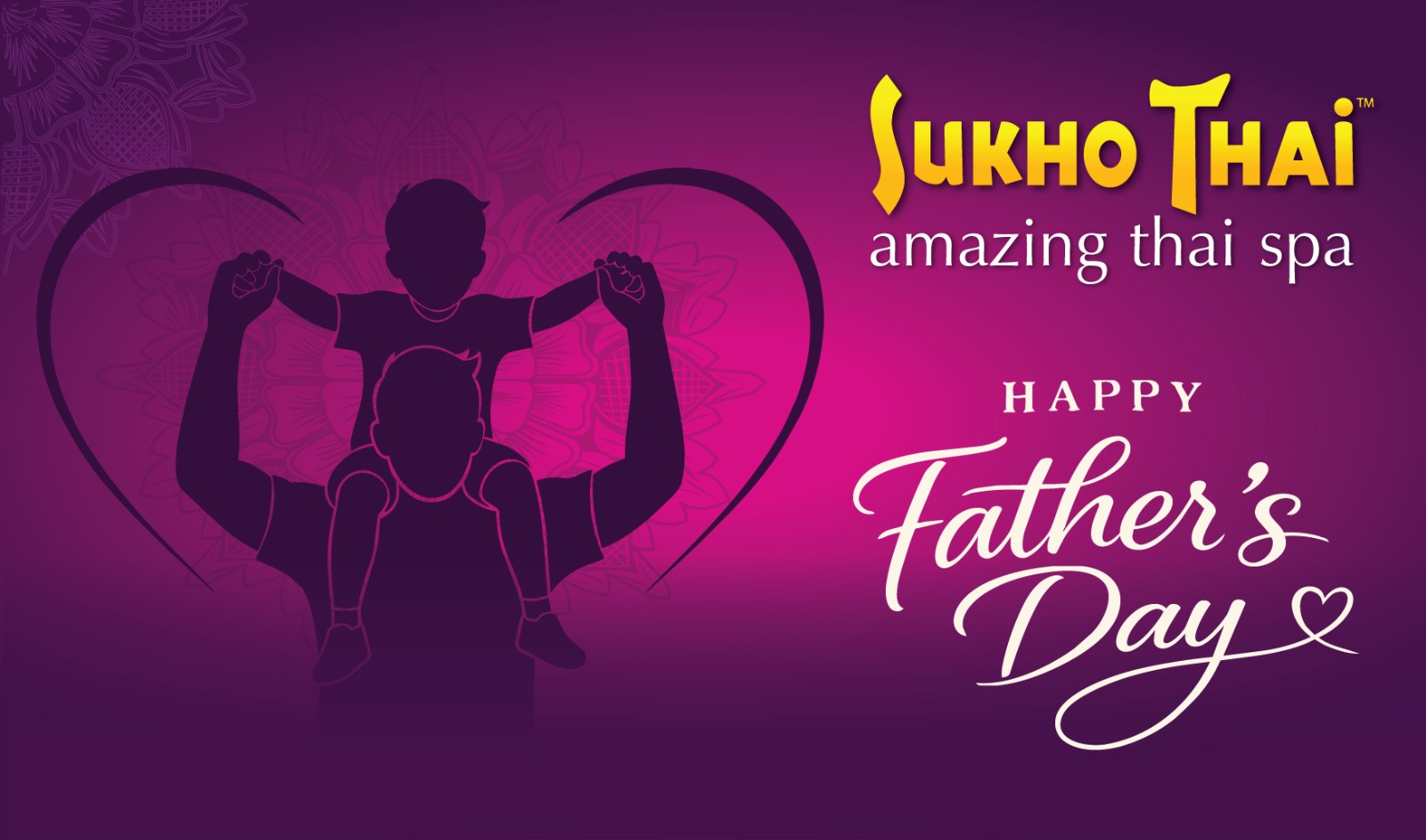
Father's Day: The Gift Every Hardworking Dad Actually Needs—Time to Relax
There's a particular kind of tired that doesn't show up on anyone's radar. It's not the tiredness you complain about. It's the tiredness you carry quietly, year after year, because complaining feels like one more thing on the to-do list.
Think about the dad who wakes up before the rest of the house, makes coffee in the dark, and is already mentally running through the day's responsibilities before his feet hit the floor. He spends the morning answering emails, the afternoon managing whatever needs managing, and the evening trying to be fully present for his kids even though his shoulders are tight and his lower back has been aching since Tuesday. By the time everyone else is asleep, he's still up, paying a bill or fixing something around the house, because that's simply what he does.
Ask him what he wants for Father's Day, and he'll probably shrug. "I don't need anything." He means it, too. Not because he doesn't deserve something, but because he's spent so many years putting everyone else first that he's genuinely forgotten how to want things for himself.
This is the quiet truth behind so many Father's Day gift searches. Families aren't really looking for another tie or a gadget that will sit in a drawer. They're looking for a way to say, "We see how hard you work, and we want you to rest." "That's the gift that actually lands. Not a thing he'll use once, but a moment where he's finally allowed to stop.
Why Fathers Rarely Prioritize Themselves
Most fathers didn't choose to put themselves last. It happened gradually, the way priorities shift when responsibility piles on year after year.
Work stress sets the tone early. Deadlines, performance reviews, the pressure to provide — these don't switch off when a man becomes a father. If anything, they intensify, because now the stakes feel personal. A missed bonus isn't just disappointing; it's a missed school trip or a tighter grocery budget.
Financial responsibility adds another layer. Mortgage payments, tuition, healthcare costs, the occasional emergency that drains savings overnight — fathers often carry these numbers in their heads constantly, even during moments that are supposed to be relaxing.
Family commitments fill whatever time is left. Practice pickups, school events, fixing the things that break, being the steady presence everyone leans on. None of this is a complaint from the people who do it. It's simply what loving a family looks like in practice. But it leaves very little room for anything that isn't someone else's need.
Physical exhaustion builds quietly underneath all of it. Long hours at a desk or on your feet; disrupted sleep; and the small aches that become permanent fixtures in the body. Wellness practitioners see this pattern constantly: clients who describe themselves as "fine" while their bodies tell a very different story.
Mental pressure ties it all together. The weight of being the person others depend on doesn't lift just because the workday ends. It's there at dinner, at bedtime, in the quiet moments when a father should be able to switch off and simply isn't able to.
None of this makes fathers fragile. It makes them human. And humans, no matter how strong, need recovery not occasionally, but regularly.
The Hidden Effects of Stress on Fathers
How can stress affect dads? Chronic stress doesn't always look dramatic. It often shows up as small, persistent signals that get dismissed because there's no time to address them.
Muscle tension is usually the first sign. Tight shoulders, a stiff neck, a back that never fully loosens up. Many fathers carry this tension for so long they stop noticing it's there.
Back pain frequently follows, especially for dads who sit at a desk all day or who spend their weekends doing physical labor around the house. The body compensates for stress by holding tension in the lower back and hips.
Sleep issues are common among adults managing high responsibility loads, and disrupted sleep makes everything else—mood, focus, patience—harder to manage the next day.
Fatigue becomes a baseline state rather than an occasional dip. Many men describe feeling tired even after a full night's sleep, which is often a sign that stress recovery isn't happening, even when rest technically is.
Burnout can develop slowly, almost invisibly, until a father realizes he's been running on empty for months. Wellness professionals often point out that burnout isn't only an emotional state; it has measurable physical effects, including elevated tension, fatigue, and reduced resilience to everyday stress.
Mental exhaustion rounds it out. The constant decision-making that comes with adult responsibility, work choices, family choices, and financial choices draws on the same mental reserves all day, every day, with very little built-in recovery time.
The body and mind are connected in ways that are easy to overlook until something forces attention to them. A tense back is rarely just a tense back. It's often the physical evidence of a mind that hasn't had a real break in longer than anyone realizes.
Why Time Is the Greatest Gift
What makes experiential gifts meaningful? Material gifts say "I thought of you." Experiential gifts say "I want you to feel better." That distinction matters more than most gift guides acknowledge.
A new watch is thoughtful. A wallet is practical. A shirt shows good intentions. A gadget might even get used a handful of times. But none of these things ask anything of the person receiving them, and that's exactly the problem. Material gifts don't require a father to slow down. They don't give his body or mind a chance to recover. They sit on a shelf while the stress underneath keeps accumulating.
An experience is different. A few hours of relaxation, recovery, and genuine peace of mind ask something simple but rare of a father: permission to stop. Permission to not be needed for a little while. Permission to simply exist without producing, providing, or problem-solving.
This is why so many families are shifting toward relaxation gifts and wellness experiences for Father's Day. It's not a trend so much as a recognition of what actually helps. A father doesn't need another item competing for space in his closet. He needs an hour where his only job is to breathe.
Benefits of Massage and Relaxation Therapy for Dads
Is a spa gift good for Father's Day? For most fathers carrying chronic tension, yes — and the reasons are well documented across wellness and physical therapy fields.
Reduced stress is one of the most immediate effects of massage therapy. Touch therapy has long been associated with lower cortisol levels and a calmer nervous system response, which is exactly what overworked fathers need.
Better sleep often follows a deep relaxation session. When the body releases physical tension, it becomes easier to fall into a restful sleep state rather than the shallow, restless sleep that chronic stress tends to produce.
Improved circulation supports muscle recovery, which matters for fathers who spend their days sitting, standing, lifting, or simply carrying tension in their shoulders and back without realizing it.
Pain relief is one of the most requested outcomes from massage therapy clients, particularly for lower back pain, neck stiffness, and shoulder tension—common complaints among working fathers regardless of age.
Mental relaxation happens almost immediately during a well-delivered massage. For many fathers, it may be one of the only times all month when their mind isn't racing through tomorrow's responsibilities.
Emotional well-being improves as a natural byproduct of physical relaxation. When the body feels cared for, the mind often follows, creating a sense of calm that can carry through the following days.
These aren't exaggerated claims — they're consistent, well-supported outcomes that wellness professionals see again and again in clients who finally make time for proper relaxation therapy.
How a Spa Experience Creates Lasting Memories
A gift that's used once and forgotten rarely becomes a memory. A gift that makes someone feel deeply cared for almost always does.
Years from now, a father probably won't remember the exact pattern on a tie or the specific model of a gadget. But he's far more likely to remember the moment his family told him to simply rest and meant it. He'll remember the quiet hour where nobody needed anything from him. He'll remember feeling, even briefly, like the care he gives so freely was being returned.
This is the quiet power of relaxation as a gift. It's not flashy. It doesn't come wrapped in elaborate packaging. But it communicates something material gifts rarely can: you matter beyond what you do for us.
Father's Day at Sukho Thai
For families looking to give their father something genuinely restorative this Father's Day, a wellness experience at Sukho Thai offers exactly the kind of recovery many dads quietly need but rarely ask for.
The atmosphere is calm and unhurried, designed for genuine relaxation rather than rushed service. Professional therapists bring real skill to traditional Thai massage and wellness therapies, focusing on releasing the tension that builds up in the shoulders, back, and neck from long hours of work and physical strain. The environment itself encourages slowing down — soft lighting, quiet spaces, and a pace that allows the body to actually unwind instead of just passing through.
Personalized care matters here too. Every father carries tension differently, depending on his work, his habits, and his body, and a thoughtful therapist adjusts accordingly rather than offering a one-size-fits-all session.
For a Father's Day gift, that means giving him a few hours where someone else is focused entirely on his comfort and recovery, possibly for the first time in longer than he'd admit.
Self-Care Is Not a Luxury
There's a quiet myth that self-care is something fathers can get to "later," once work slows down or the kids are a bit older or finances feel more comfortable. The truth is that moment rarely arrives on its own. Responsibilities expand to fill the space available, and rest keeps getting pushed further down the list.
Self-care isn't indulgence. It's maintenance. A father who takes time to recover physically and mentally is better equipped to show up fully for the people who depend on him—more patient, more present, and more energized for the things that matter most.
Wellness experts consistently emphasize that recovery isn't something earned after enough exhaustion. It's something built into a healthy lifestyle, the same way meals and sleep are. Fathers deserve that same standard of care, not as an occasional reward, but as a regular part of how they take care of themselves.
Practical Ways Families Can Help Dads Relax
How can you help your father relax? Beyond Father's Day itself, small consistent efforts make a real difference.
-
Protect his time. Actively encourage an hour where he isn't needed for anything, rather than waiting for him to claim it himself.
-
Normalize rest at home. Make it clear that sitting down, napping, or simply doing nothing isn't something he needs to justify.
-
Notice the physical signs. If he's rubbing his neck or shifting because his back hurts, that's worth addressing, not ignoring.
-
Make wellness a habit, not a one-time gesture. A single spa visit feels good, but consistent recovery — even quarterly — keeps stress from quietly rebuilding.
-
Say it out loud. Sometimes fathers need to hear directly that their family wants them to rest, not just assume they already know.
These small shifts, repeated over time, often mean more than any single gift ever could.
Conclusion
Most fathers won't ask for relaxation. They'll ask for very little at all, because asking has never really been their habit. But underneath that quiet "I don't need anything" is often a body that's tired, a mind that hasn't truly switched off in months, and a man who has spent years putting everyone else first.
This Father's Day, the most meaningful gift might not be something he opens. It might be something like him stepping into a quiet room, skilled hands easing the tension out of his shoulders, an hour where nothing is required of him except to breathe and let go.
Give him time. Give him rest. Give him the chance to feel, even briefly, like someone is taking care of him for once. At Sukho Thai, that's exactly the kind of experience waiting for the fathers who give so much and ask for so little in return.
Frequently Asked Questions
What is the best Father's Day gift for a hardworking dad?
For most overworked fathers, an experience that allows real rest — like a massage or spa session — tends to mean more than material items, because it directly addresses the stress and fatigue many dads carry daily.
Why do dads need relaxation?
Years of work stress, financial pressure, and family responsibility build up in the body and mind. Relaxation therapy helps release that built-up tension before it leads to chronic pain or burnout.
Is a spa experience a good Father's Day gift?
Yes. A spa gift offers measurable benefits like reduced stress, better sleep, and pain relief while also giving fathers permission to rest, something many rarely give themselves.
How does stress affect fathers?
Chronic stress in fathers often shows up physically through muscle tension, back pain, fatigue, and disrupted sleep, as well as mentally through burnout and reduced emotional resilience.
What are meaningful Father's Day gifts?
Meaningful gifts tend to be experiences rather than objects, ones that give a father time, rest, and a sense of being genuinely cared for, rather than another item to add to a shelf.
Available at SukhoThai Spa Locations across
Mumbai | Pune | Bangalore | Goa | Kashmir | Kathmandu
Call Now: +91 9870989740
Book Online at: SukhoThai Official Website
Popular Post
Father's Day: The Gift Every Hardworking Dad Actually Needs—Time to Relax
Jun 20, 2026Copyrights © 2010 - 2026 SukhoThai India Pvt. Ltd. - All Rights Reserved